
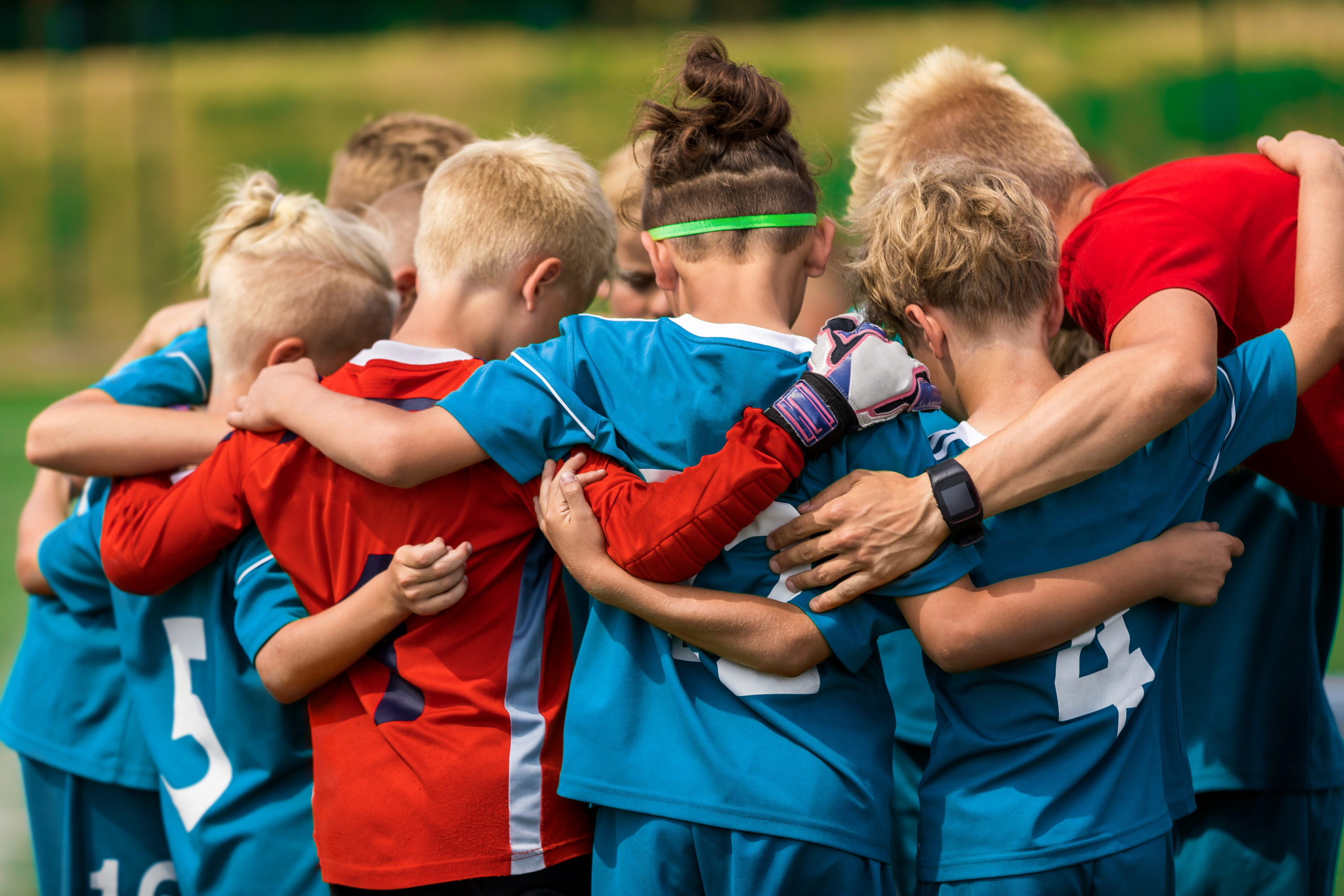
The Benefits of Playing Multiple Sports for Young Athletes
In today’s competitive youth sports world, it can be tempting for young athletes to focus on one sport year-round. However, research and real-world experience show that playing multiple sports can have tremendous benefits for a child’s physical development. Participating in a variety of activities helps athletes build a broader range of motor skills, improve balance, agility, and coordination, and develop strength in different muscle groups. This variety reduces the risk of overuse injuries that often occur when a young athlete’s body is repeatedly stressed in the same way. Simply put, multi-sport participation builds a stronger, more versatile athlete.
The physical advantages are just the beginning. Different sports challenge the body in unique ways—swimming develops cardiovascular endurance, basketball enhances quickness and lateral movement, and soccer improves footwork and aerobic capacity. By experiencing multiple disciplines, athletes become better all-around movers, which can enhance performance in whichever sport they choose to focus on later. This well-rounded foundation often leads to greater long-term success, as the athlete’s body is better prepared to handle the demands of advanced training and competition.
Beyond the physical rewards, playing multiple sports can have profound emotional benefits. Young athletes gain the chance to experience different team environments, coaching styles, and roles—sometimes as a leader, sometimes as a learner. This variety helps build adaptability, resilience, and strong interpersonal skills. They also learn to handle diverse challenges, from individual performance pressure to team collaboration, which translates into confidence both on and off the field.
Finally, playing different sports keeps the experience fresh and enjoyable. Burnout is a common issue when young athletes specialize too early, but variety helps maintain excitement and motivation. Switching between sports each season can rekindle passion, foster lifelong enjoyment of physical activity, and prevent the feeling that sports are simply a chore. In the long run, this balance between physical development and emotional well-being creates healthier, happier athletes who are more likely to stay active for life.