Balancing the Playbook and Textbook
For student athletes between the ages of 10 and 18, life can feel like a nonstop cycle of practices, games, homework, and tests. At such a formative stage, balancing academics and athletics is not just about managing time—it’s about learning discipline, building resilience, and setting priorities that will shape their future. While sports can instill confidence and teamwork, education remains the foundation for long-term success. Finding harmony between the two is essential to avoid burnout and ensure a student athlete can excel in both arenas.
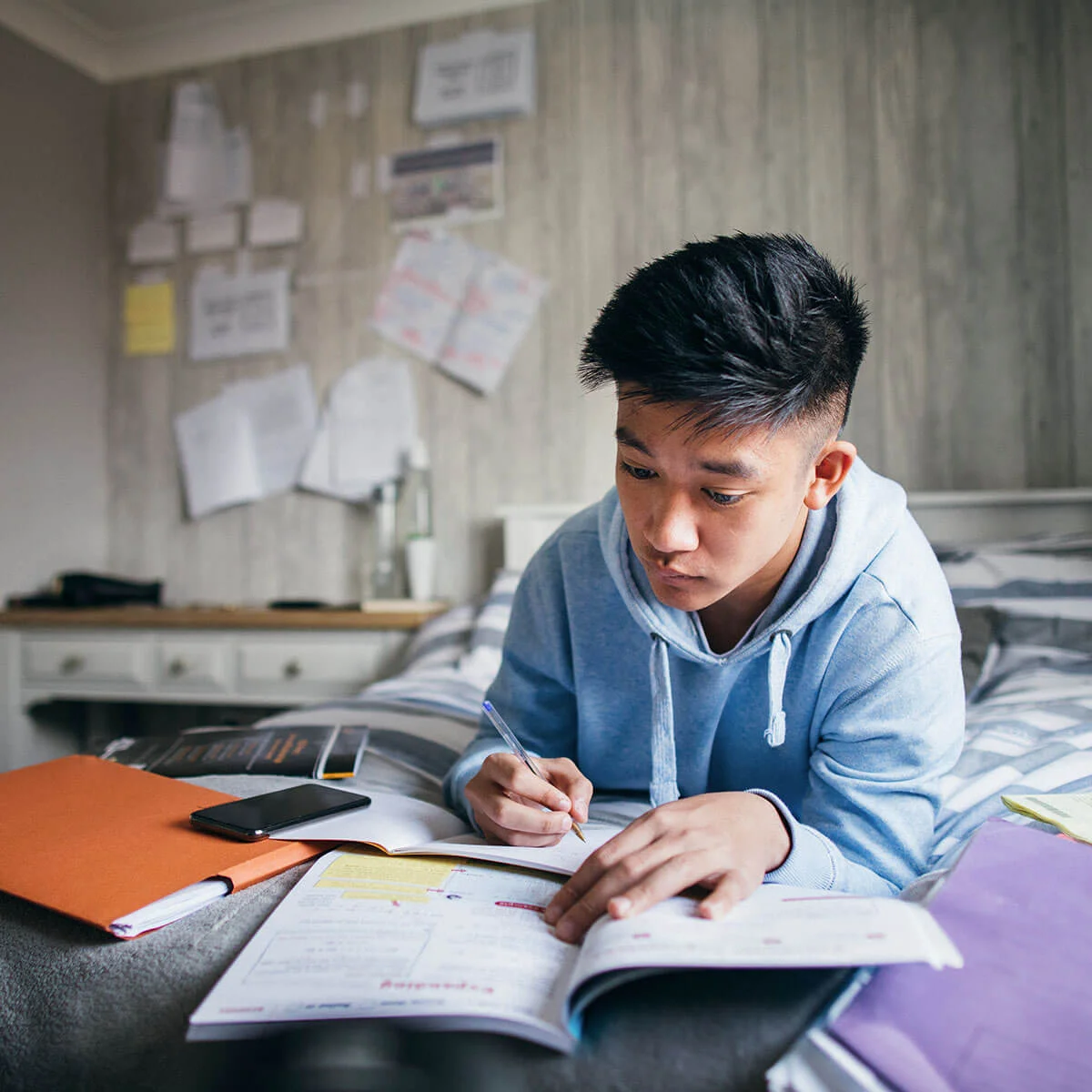
One of the most effective strategies is creating a structured schedule. Student athletes should work with their parents, teachers, and coaches to plan out practices, games, study sessions, and rest. Breaking down assignments into smaller tasks, setting aside dedicated homework time, and using tools like planners or apps can prevent last-minute stress. Prioritization is also key—sometimes saying no to a social event or extra activity is necessary to protect both academic and athletic commitments.
Another important tip is making sure athletes take care of their bodies and minds. Proper sleep, nutrition, and downtime are just as vital as time spent on the field or in the classroom. Student athletes who are over-scheduled often neglect rest, which can lead to poor focus in class and sluggish performance during games. Building recovery time into the weekly routine helps prevent injury, fatigue, and mental burnout. Communicating openly with teachers and coaches can also help when workloads or schedules become overwhelming.
On the flip side, there are pitfalls that can derail a student athlete if balance isn’t maintained. Overcommitting to sports at the expense of academics can harm grades and limit future opportunities. Likewise, ignoring proper rest or stretching too thin can lead to injuries or exhaustion that sideline athletes both academically and athletically. Some athletes may also struggle with pressure—from parents, coaches, or even themselves—to excel in both areas, which can cause stress and anxiety if not managed properly.
Ultimately, success as a student athlete comes down to balance, communication, and self-discipline. With thoughtful scheduling, support from adults, and an awareness of potential pitfalls, student athletes can enjoy the best of both worlds: academic achievement and athletic growth. These lessons not only prepare them for success now, but also teach valuable life skills they’ll carry into adulthood—long after the final whistle blows.