
The Importance of Skating in Hockey: Making Strides Toward Success
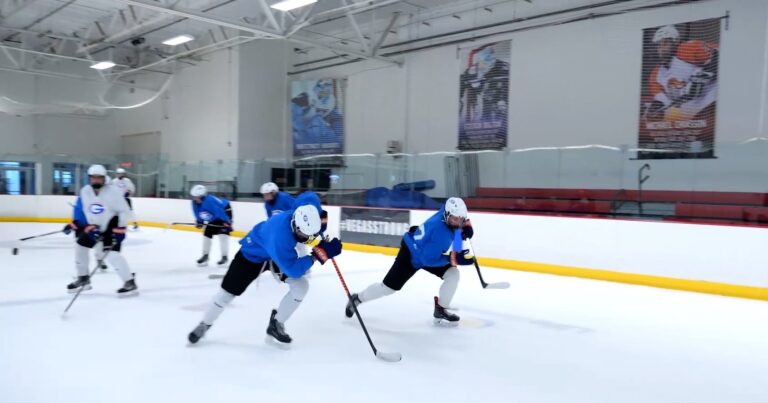
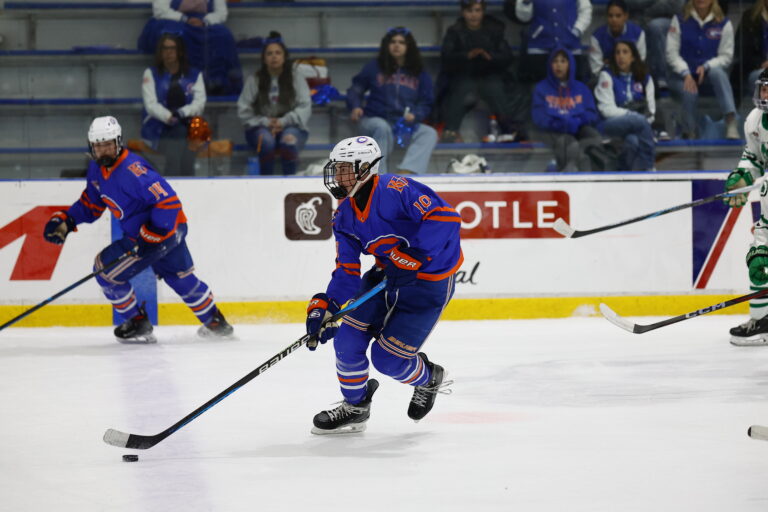
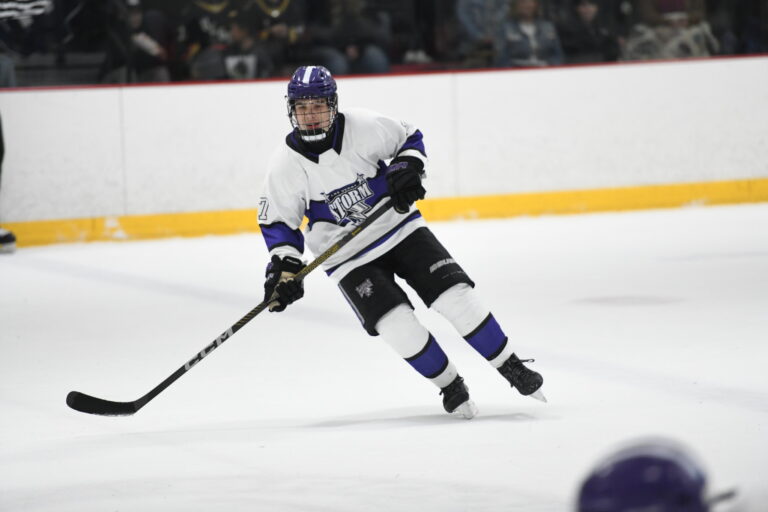
Skating is the most fundamental skill in hockey. Without strong skating ability, players are limited in their ability to keep up with the pace of the game, make quick decisions, or contribute effectively on either side of the puck. From edge control and acceleration to agility and balance, skating underpins nearly every aspect of play. Whether it’s breaking out of the defensive zone, backchecking with urgency, or maneuvering around defenders, elite skating sets players apart and opens up opportunities to impact the game.
Developing strong skating skills starts with mastering the basics: proper stance, balance, stride length, and edge control. Young players should focus on posture and weight distribution to build a stable base, while more advanced skaters can fine-tune their technique through drills that emphasize transitions, crossovers, and backward skating. Consistent practice, especially with purpose and attention to detail, is the key to turning raw movement into fluid, game-ready speed and control.
To improve skating, players can take advantage of a wide range of resources. The Las Vegas Ice Center offers specialized skating clinics, power skating sessions, figure skating classes, and one-on-one coaching. Online platforms like iTrainHockey, Power Edge Pro, and The Hockey Movement provide video tutorials and structured training plans that players can follow at their own pace. Off-ice training like plyometrics, balance board drills, and resistance band work can also help strengthen the muscles needed for explosive strides and sharper edge work.
Ultimately, skating is the skill that ties everything together on the ice. Players who commit to improving their skating gain an edge not just in speed, but in confidence, poise, and overall hockey sense. Investing time in skating development, whether on the ice or through off-ice conditioning, pays dividends throughout a player’s career—no matter the level of play.